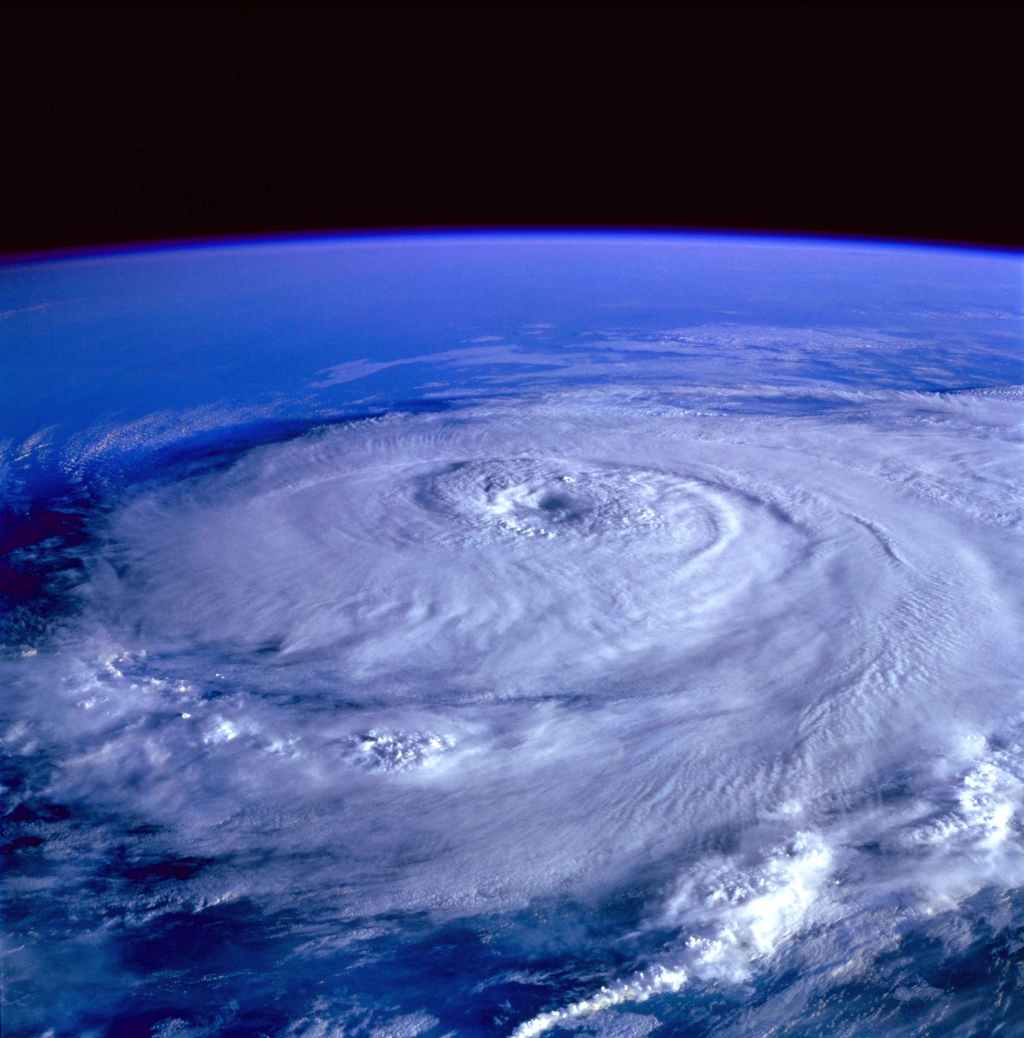
Destruction and chaos have reigned over the city of Acapulco. On October 25, a hurricane with the strongest winds of 205 mph hit Acapulco. The storm had intensified just as it was about to hit the coast of Mexico. People who reside in the city were not prepared for the intensity of the storm. The only other storm that went above and beyond this one in terms of the large-scale intensity is the storm on Barrow Island in Australia, which had wind speeds of 253 mph. Many hotels and large structures were destroyed in the process. Reporters and journalists have spent countless hours in the area. Their reports come back with images of buildings destroyed. Many hotels and homes have been entirely desolated by the storm.
Many hospitals and clinics have also been damaged by the hurricane. Electricity in the city is limited since many utility poles were knocked out. Power and internet in the city is out. Transmission lines, electrical substations and a power plant are also in bad shape. These damages to the entire city could total $10 billion. The storm has taken the lives of more than 40 people. Many people are still seeking to be found. This storm is going to have a long-lasting effect on Mexico. There is no telling how long it will take for the city to be fully repaired, especially since most of the homeowners with damaged homes do not have an insurance plan in place.
Acapulco has a reputation for a lot of crime and poverty. This storm will only exacerbate these issues as essential resources for the citizens will be hard to distribute. Crime syndicates within the city will see the aftermath as an opportunity to conduct illegal drug trafficking. Law enforcement might be more focused on the emergency response than tracking down every gang that runs through the city. The best course of action the country can take right now is to focus on delivering aid to the people who are left in the rubble by the catastrophe. So far, the Mexican Red Cross has delivered 75 tons of aid to those in need.
After the world has visualized the aftermath of this hurricane, the real question becomes whether or not this disaster will spark any new legislation that is meant to combat climate change. The United Nations could do all it can to provide emergency services and disaster relief to the people of Acapulco. However, these are only short-term solutions. Countries that follow the Paris Agreement will choose to change the energy infrastructure so fossil fuels are not the driving resource for productivity. Essentially, clean energy is starting to become the new standard.
If you want to learn more about Hurricane Otis, watch this video from NBC. You can also read this article below from the Washington Post.
 International Affairs by Jack Peeples
Leave a comment